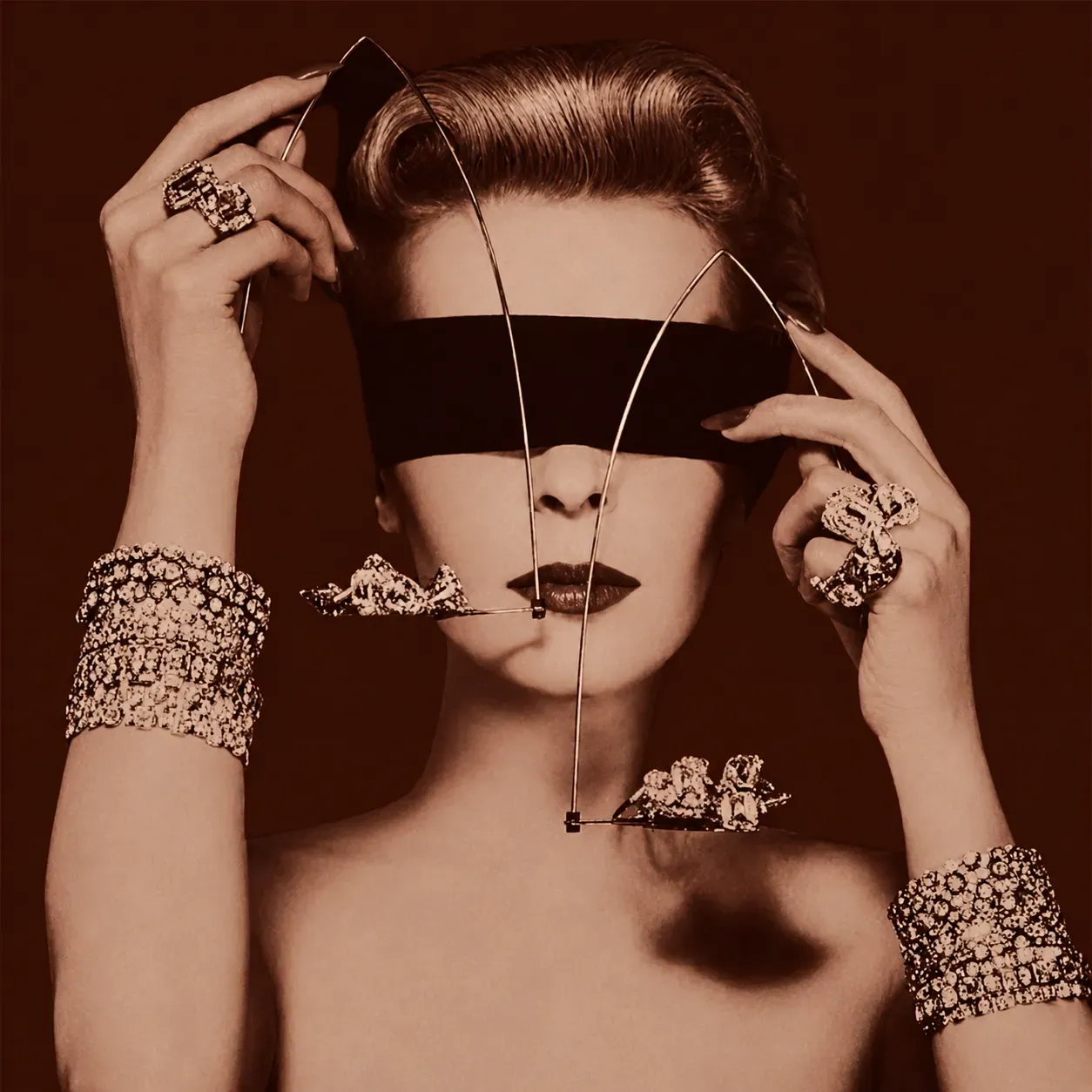
Open attendance can fill a room, but curation creates chemistry. Learn why guest composition, quiz insights, identity verification, and shared expectations lead to better social experiences.
Curation creates better chemistry than open attendance because chemistry depends on fit, tone, trust, intention, and group composition. Open attendance can create access, but it often produces misalignment.
A curated room does not guarantee connection, but it increases the chance that the right people become visible to one another.
Open attendance fills rooms. Curation composes them.
An open room is easy to understand.
Anyone can come. Anyone can buy a ticket. Anyone can arrive with any intention. The promise is democratic, frictionless, and simple.
But chemistry is not democratic in that way.
Chemistry is fragile. It depends on context. It depends on the mixture of people, the expectations they bring, the behavior they reward, the safety they feel, and the tone the room permits.
Open attendance can create energy.
Curation creates current.
That is the difference between a room that is merely populated and a room that feels alive.
Open attendance often fails because it treats access as the same thing as fit.
People enter social spaces for different reasons. One person wants friendship. Another wants flirtation.
Another wants validation. Another wants conquest. Another wants to be entertained. Another wants a conversation that can hold moral complexity, attraction, and risk. Another wants the room to ask nothing of them.
None of these desires is automatically wrong.
The problem is when they collide inside a room with no shared understanding.
That collision produces confusion, disappointment, and defensive behavior. A person who wanted depth feels exposed. A person who wanted play feels restrained. A person who wanted safety feels uncertain. A person who wanted attention starts performing for the room. By the end, everyone may be pleasant, but no one is really met.
The guest list is the experience.
This is especially true for intimate dinners, salons, private gatherings, and invite-only social rooms. The food, music, lighting, and venue matter. But they do not matter more than who is in the room.
One wrong person can flatten the table.
One right person can raise the voltage of the entire evening.
A curated guest list is not about status. It is about chemistry.
The best guest lists are rarely built from obvious similarity. A room full of people who agree on everything often becomes dull. A room full of people with no shared expectations becomes unstable. The art is finding the middle: enough alignment to create safety, enough difference to create spark.
Trust is not created by language alone.
A brand can say "safe space" and still build a room where people feel uncertain. Safety has to be operational. It has to show up in the process before the dinner begins.
That is why Scarlet Table requires an ID verification photo. The purpose is not to make the experience bureaucratic. The purpose is to protect the room from anonymity without accountability. People need to know that the person arriving has been verified as a real person connected to the information they submitted.
This changes the social atmosphere.
When guests know the room has standards, they spend less energy protecting themselves from unknown risk. They can listen more fully. They can flirt more cleanly. They can disagree without bracing. They can let the night become playful because the foundation is not careless.
Verification is not the magic. It is the floor under the magic.
Some people hear "curated" and assume elitism.
But curation at its best is not about ranking people. It is about fit.
Not every person belongs in every room. That is not an insult. It is social truth.
A person may be wonderful and still wrong for a specific gathering. A person may be attractive, successful, and articulate and still bring the wrong energy to a room designed for intimacy, subtlety, and emotional risk. A person may be funny in one environment and corrosive in another. A couple may be warm at one table and closed off at the next.
Curation protects the room from becoming generic.
Good curation does not mean sameness.
A memorable room usually needs contrast. Confidence and softness. Wit and sincerity. Restraint and appetite. Experience and curiosity. Couples and singles. The socially bold and the quietly magnetic.
Chemistry needs difference.
But difference only works when the room has enough trust to hold it.
This is where open attendance often fails. It may create difference, but without enough shared standards.
The result is not chemistry. It is noise.
Curation gives difference a structure. It turns contrast into current.
In many open rooms, the loudest or most socially aggressive people set the tone.
This does not always mean they are bad people. It simply means open rooms often lack the structure to prevent dominance from becoming culture.
A curated room can resist that.
It can protect quieter forms of magnetism. It can allow subtle people to become visible. It can prevent the evening from being hijacked by performance, status games, or predatory charm.
That is not control.
That is hospitality.
A good host does not merely invite people in. A good host protects what the room is supposed to make possible.
The more charged the room, the more curation matters.
If a gathering includes flirtation, desire, vulnerability, intimacy, moral ambiguity, or emotionally honest conversation, open attendance becomes risky. Not necessarily dangerous, but socially unstable.
Charged rooms require stronger standards because the stakes are higher. People need to know that curiosity will not become entitlement, that attraction will not become pressure, and that play will remain bound by respect.
The Matchmaker quiz helps identify not only what a person wants, but how they are likely to behave in a charged environment. Do they listen when they disagree? Do they lean into intensity or retreat from it? Are they playful without being reckless? Do they understand that chemistry is not a claim on another person?
These questions matter because the room matters.
Scarlet Table does not curate because exclusion is glamorous.
It curates because the room matters.
The Matchmaker quiz, ID verification photo, guest composition, seating logic, code of conduct, and atmosphere all serve one purpose: to create better conditions for connection.
Not guaranteed outcomes.
Not forced intimacy.
Not artificial chemistry.
Better conditions.
That is enough to change everything.
Open attendance can create a crowd.
Curation can create a room.
A crowd gives you access to people. A room gives you the possibility of being met by them.
And for people seeking real chemistry, that distinction matters more than almost anything.
The Scarlet Salon is a curated dinner society. Every guest completes the Matchmaker quiz and submits identity verification. Apply for a seat